Setter Solutions
Optimal Conditions for Every Embryo
Our Setter Solutions combine decades of biological research with precision incubation
technology. Whether you choose the proven MicroClimer Setter or SetCare biologically based
24-day incubation process, every solution is designed to deliver predictable hatchery
performance and superior chick quality.

MicroClimer Setter
Creates uniform incubation conditions through precise climate control, Laminar Airflow and controlled heat transfer. The MicroClimer Setter delivers predictable hatchery performance and outstanding chick quality, even at maximum capacity and with modern genetics.

SetCare
24-Day Incubation
Creates optimal conditions during the earliest stage of embryo development
through a biologically based 24-day incubation process. SetCare uses
gradual warming and precise trolley-level temperature control to reduce
early embryo mortality and increase the hatch of first-grade chicks.
Supporting Setter Products
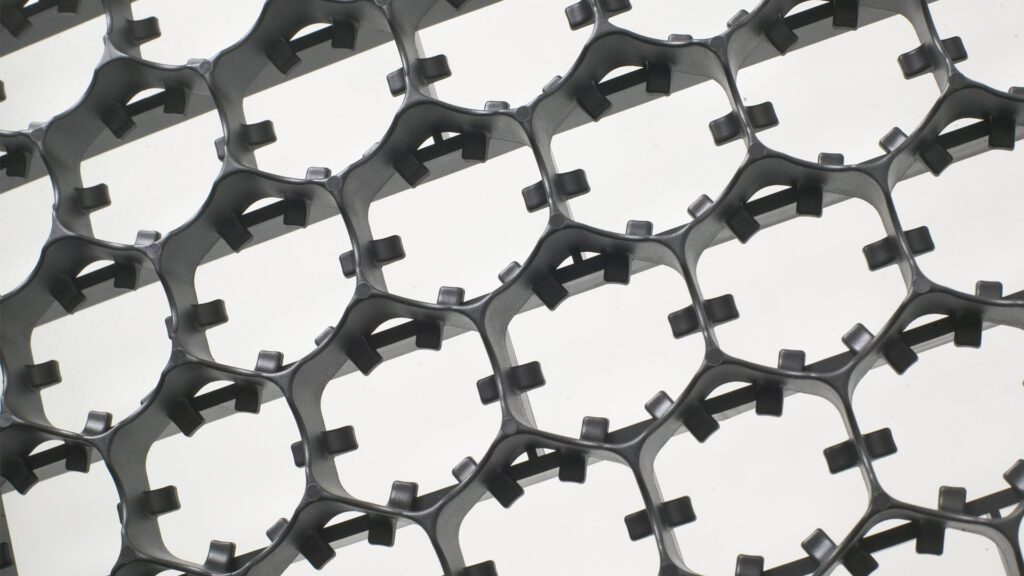
Trays
Designed for maximum efficiency. Engineered to ensure optimal airflow
and easy handling throughout the incubation process.
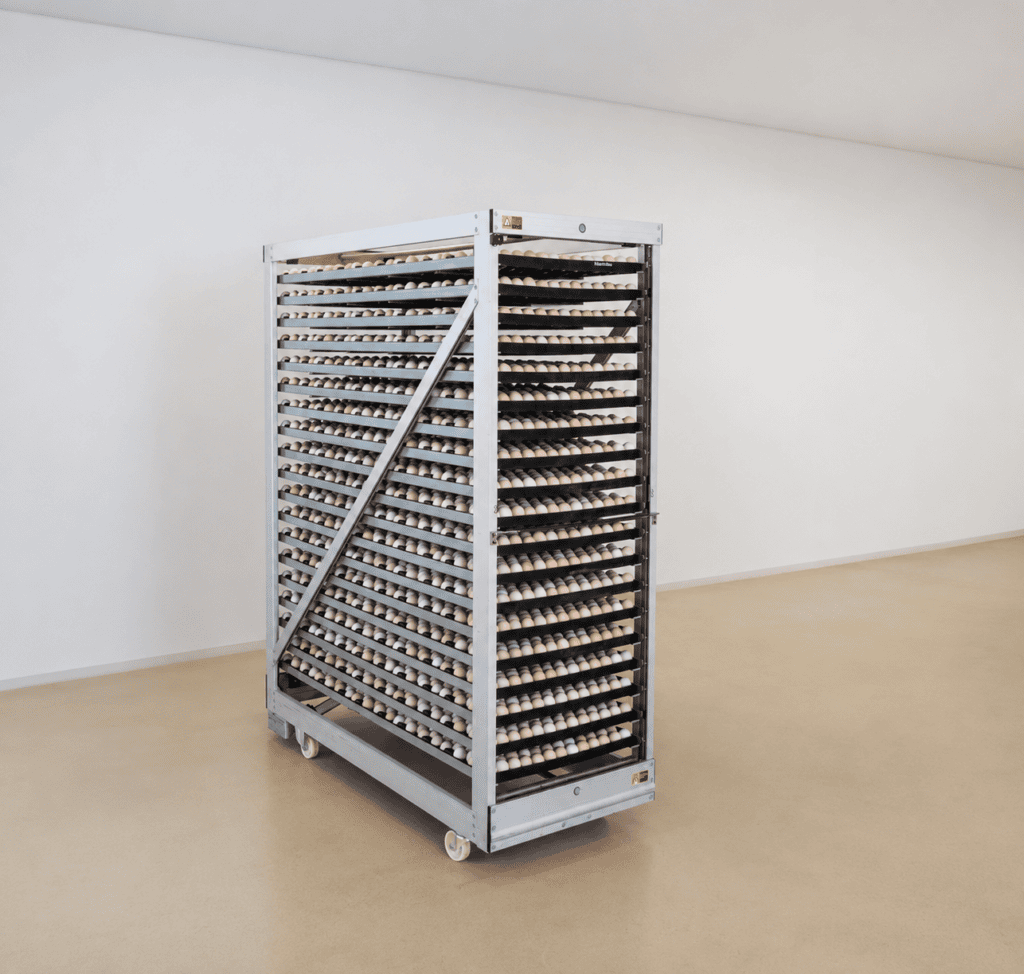
Trolleys
High capacity, easy handling. Carry up to 8,360 eggs per trolley while
ensuring smooth, efficient hatchery operations.
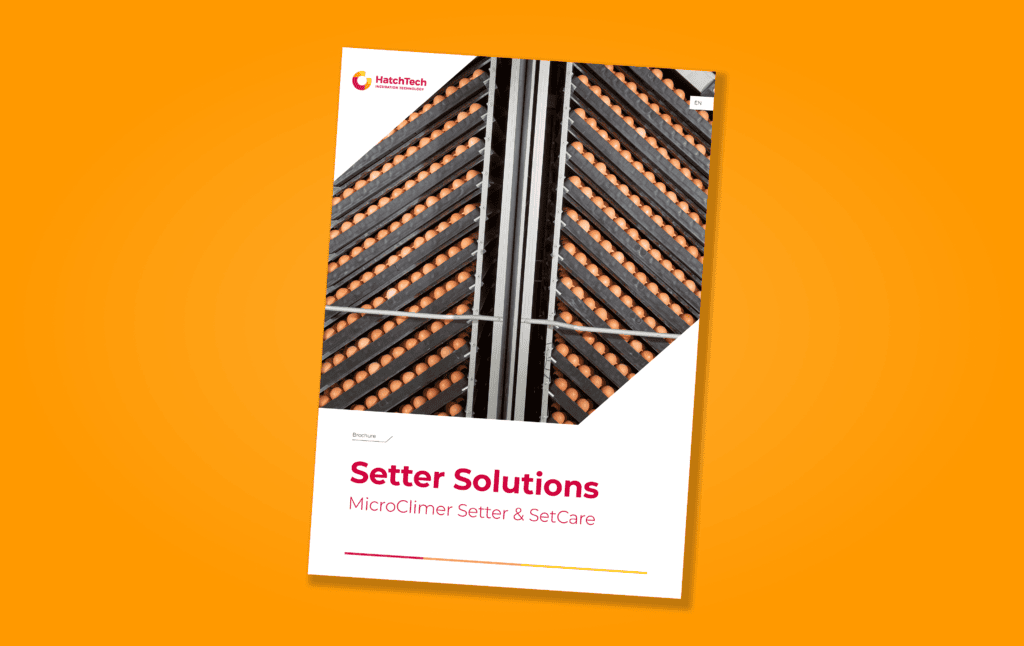
Download
Setter Solutions Brochure
Learn how HatchTech Setter Solutions support uniform embryo development through precise incubation control. Discover the technologies behind the MicroClimer Setter and SetCare, including Laminar Airflow, MicroClimer Technology, Uniform Embryo Activator™, the biological foundation of 24-day incubation, technical specifications and measurable hatchery results
Frequently Asked
Everything you need to know about HatchTech Setter Solutions.
How Does HatchTech Reduce Early Embryo Mortality?
HatchTech reduces early embryo mortality by creating optimal conditions from the very beginning of embryo development. Depending on the chosen setter solution, this is achieved through precise climate control with the MicroClimer Setter or biologically based gradual warming with SetCare. Both approaches are designed to support uniform embryo development and reliable hatchery performance.
How Does Laminar Airflow Improve Embryo Development?
Laminar Airflow creates identical incubation conditions for every embryo. It distributes conditioned air evenly across the entire egg mass, eliminating local temperature differences and ensuring uniform heat transfer. This supports consistent embryo development and predictable hatchery performance.
Why Does SetCare Use a 24-Day Incubation Process?
SetCare extends incubation to 24 days because embryo development begins at approximately 85°F, before traditional incubation starts. A six-day gradual warming phase creates optimal conditions during the earliest stage of embryo development, helping reduce early embryo mortality and increase the hatch of first-grade chicks.
How Does the MicroClimer Setter Create Uniform Incubation Conditions?
The MicroClimer Setter creates uniform incubation conditions by precisely controlling temperature, airflow and heat transfer throughout the setter. Combined with Laminar Airflow, every embryo experiences the same environmental conditions, supporting uniform embryo development, predictable hatchery performance and outstanding chick quality.
Which Setter Solution Is Right for My Hatchery?
The right setter solution depends on your incubation goals. The MicroClimer Setter is designed to create uniform incubation conditions for predictable embryo development and consistent chick quality. SetCare is designed for hatcheries that want to optimize the earliest stage of embryo development through a biologically based 24-day incubation process. Your HatchTech specialist can help determine which solution best fits your hatchery and production goals.



Hilbert van der Linden
International Sales Manager












Related news
Explore the latest insights on setter incubation and embryo development.
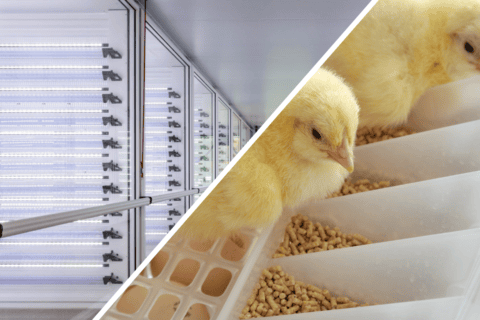
Stimulate Chick Development: The Role of Early Feeding in the First Hours After Hatch
The first hours after hatch play an important role in chick development. Discover the biology behind early feeding and how providing feed and water in the hatcher can support intestinal, immune and muscle development.

EuroTier 2026
HatchTech will be exhibiting at EuroTier 2026. Visit us at stand 17B32 in Hall 17.
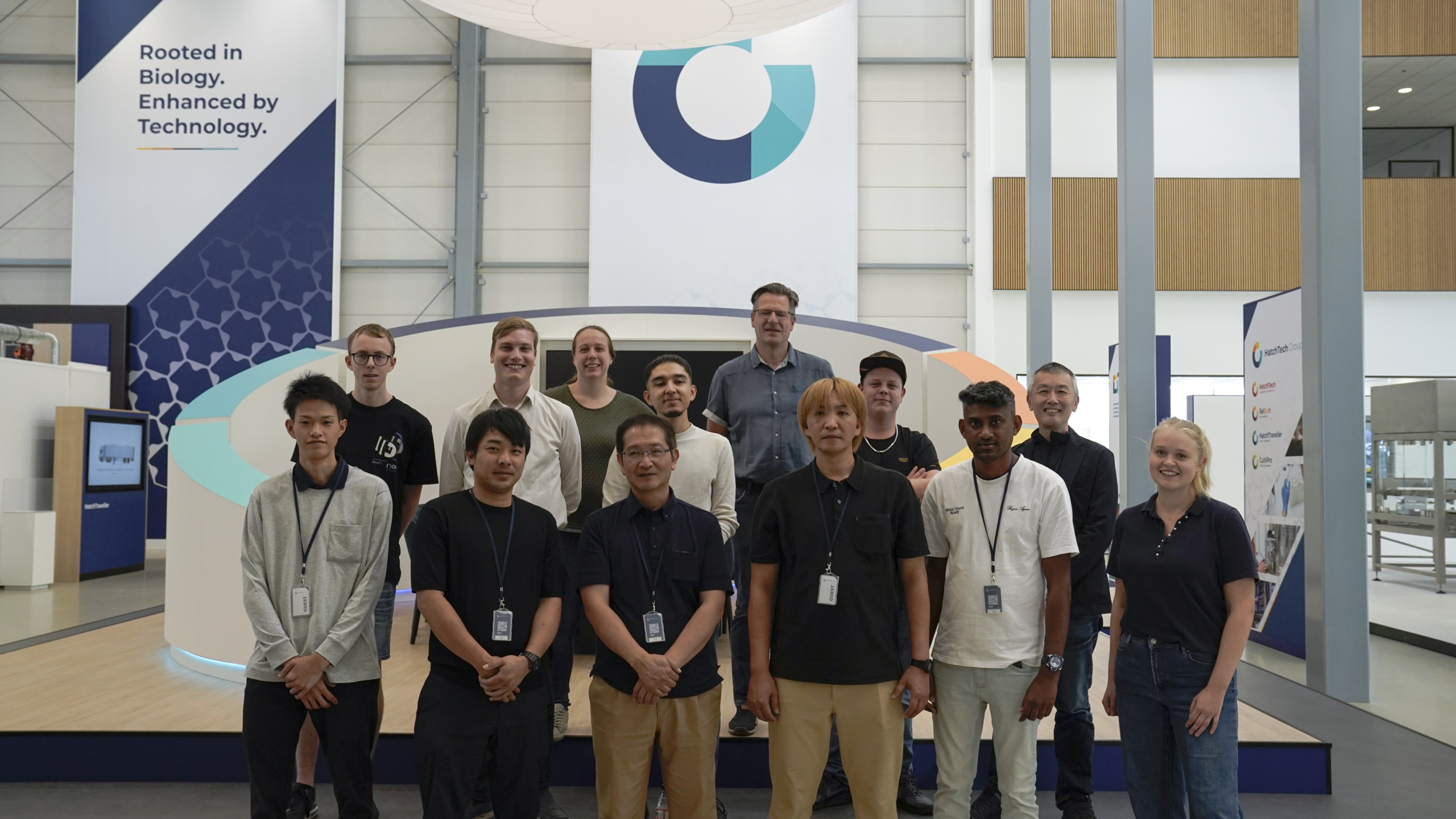
From Theory to Practice: A Week of Learning with HatchTech
This week, customers from around the world took part in the latest HatchTech Training, an intensive program designed to deepen their knowledge of HatchTech Incubation Technology and hatchery management. The training started with…